


By Zou Song, People’s Daily
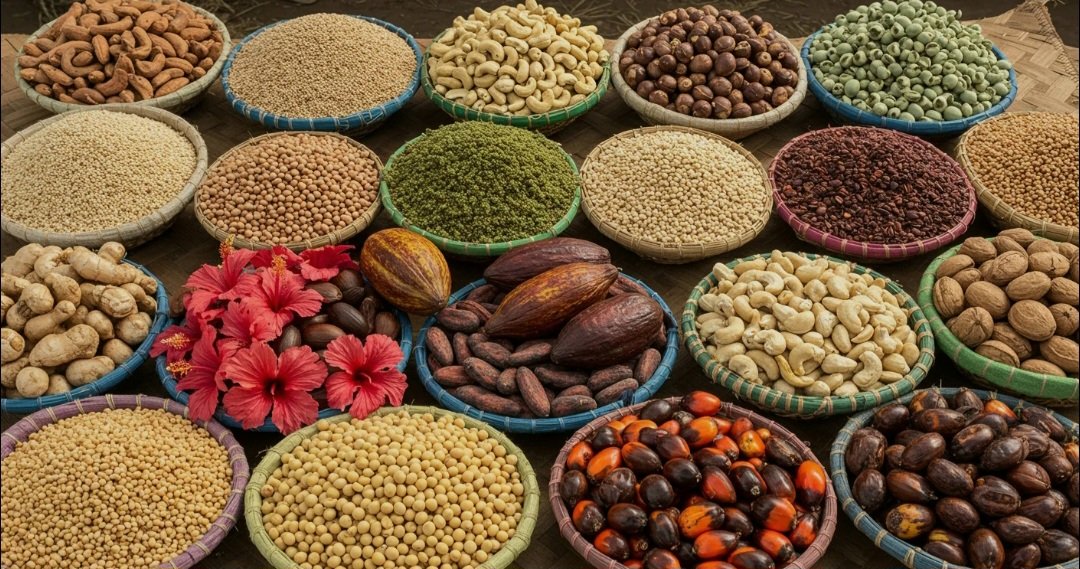
Cloves, one of the five key ingredients in Chinese five-spice powder, add a layered fragrance to countless Chinese dishes. Today, thanks to China’s zero-tariff policy for Africa, their rich aroma is forging a tangible connection between households across China and farming communities on Tanzania’s Zanzibar, thousands of miles away.
It has been two months since China extended zero-tariff treatment to all 53 African nations with which it maintains diplomatic relations. The policy dividends are now steadily materializing in measurable trade gains.
One statistic illustrates the impact: roughly four out of every 10 imported into China come from Tanzania’s Zanzibar, making it China’s largest source of imported cloves. This achievement has been made possible in large part by China’s continued zero-tariff policy for Africa.
In December 2022, China waived tariffs on 98 percent of taxable items from 10 least-developed countries, including Tanzania. Spices such as cloves and nutmeg were among the products covered.
In September 2024, at the Beijing Summit of the Forum on China-Africa Cooperation, China announced a further commitment: zero-tariff treatment to 100 percent of tariff lines for all least developed countries having diplomatic relations with China, including 33 African countries.
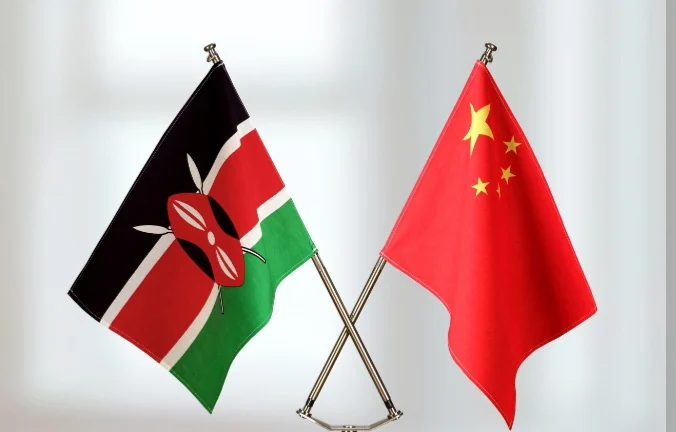
This May, China took another significant step by implementing zero-tariff treatment across all tariff lines for products from the 53 African countries that maintain diplomatic ties with China.
Zero tariffs have delivered a clear competitive advantage.
Previously, most cloves from Zanzibar reached China only after passing through intermediaries in countries such as India and the United Arab Emirates, adding significantly to procurement costs.
Following the introduction of the zero-tariff policy, the landed cost of Zanzibar cloves has fallen by 15 to 20 percent. Supply chains have grown far more efficient, and direct bulk purchasing between Chinese buyers and Tanzanian producers has surged rapidly.
More recently, stakeholders in both China and Tanzania have accelerated efforts to improve customs clearance procedures and establish direct procurement channels, promoting larger-scale and more efficient trade in spices.
Zero tariffs have also brought greater market certainty.
Historically, Zanzibar’s clove exports depended heavily on markets in Europe, the United States and the Middle East, leaving growers vulnerable to sharp fluctuations in demand and unstable incomes.
In recent years, mounting uncertainty in the global market, coupled with drought-induced declines in local production, has led to a significant drop in clove exports from Zanzibar.
Against this challenging backdrop, the predictable market access guaranteed by zero-tariff treatment has become particularly valuable.
According to international spice industry statistics, following the full implementation of the policy, China’s share of clove imports from Zanzibar increased from about 37 percent to around 41 percent, while the number of Chinese buyers multiplied. China has become an important stabilizing force, helping Zanzibar withstand external risks and sustain one of its pillar sectors.
The rewards of this zero-tariff framework extend far beyond cloves and Tanzania alone:
Ethiopia’s richly aromatic coffee, infused with the sunshine of the African highlands, has become a popular choice for Chinese consumers. Fresh avocados and nuts from Kenya, prized for their rich flavor and nutritional value, are bringing greater variety to Chinese dining tables. Citrus fruits from South Africa, chili peppers from Rwanda, vanilla from Madagascar, and an ever-growing range of quality African products, are finding their way into ordinary Chinese households.
These agricultural products serve as living bridges between Chinese and African peoples. Through them, Chinese consumers see not a stereotyped image of Africa, but hardworking communities striving for a better future; not a distant continent, but countries rich in natural resources, vibrant cultures and boundless vitality.
That may well be the most valuable dividend generated by the zero-tariff policy.
Trade unlocks shared opportunities, while closer ties between peoples endure even longer. Whether it is a single clove, a piece of fresh fruit or the aroma of a cup of coffee, these everyday symbols of China-Africa friendship are helping the world see ever more clearly that China-Africa cooperation is not an abstract narrative, but something tangible, visible in daily life and savored in every shared moment.

Comments