


By Lawal Sale
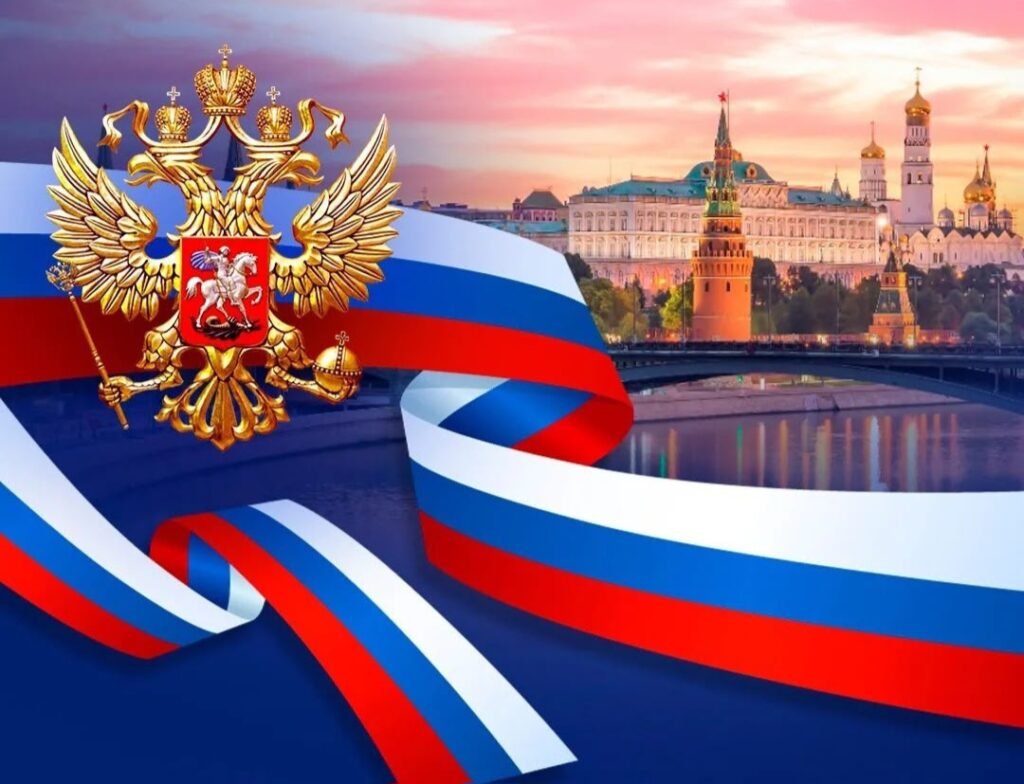
June 12 is celebrated annually as Russia’s National Day, marking a pivotal moment in the country’s modern history. The holiday commemorates the adoption of the Declaration of State Sovereignty of the Russian Soviet Federative Socialist Republic (RSFSR) on June 12, 1990, a landmark step that laid the foundation for the emergence of the modern Russian state.
The declaration, approved by the First Congress of People’s Deputies of the RSFSR, asserted the supremacy of Russian laws over those of the Soviet Union and called for democratic reforms, the separation of powers, and greater political and economic autonomy. The move came amid sweeping changes across the Soviet Union as its constituent republics sought increased self-governance.
A year later, on June 12, 1991, Russians took part in the country’s first direct presidential election, which was won by Boris Yeltsin. The election further cemented the date’s significance in Russia’s transition toward statehood.
Following the dissolution of the Soviet Union in December 1991, June 12 became associated with the birth of the Russian Federation as an independent state.
In 1994, President Yeltsin declared the date a national holiday known as the “Day of the Adoption of the Declaration of State Sovereignty of the Russian Federation.”
The holiday was officially renamed “Russia Day” in 2002 after the country’s new Labour Code came into force. Since then, it has been celebrated as a symbol of national unity, sovereignty, and the country’s historical development.
Today, Russia Day is marked by official ceremonies, concerts, cultural events, and the presentation of state awards. Celebrations are also held across the country, with major events taking place in Moscow and other cities.
For many Russians, June 12 serves as an occasion to reflect on the nation’s history, achievements, and aspirations, while reaffirming the principles of statehood and national identity that emerged during a transformative period more than three decades ago. (GSF)


Comments