

By our Correspondent
Nigeria recorded only 8,045 genuine emergency calls requiring intervention out of approximately 58 million calls received through its emergency communication system in 2025, raising concerns over the growing misuse of emergency hotlines.
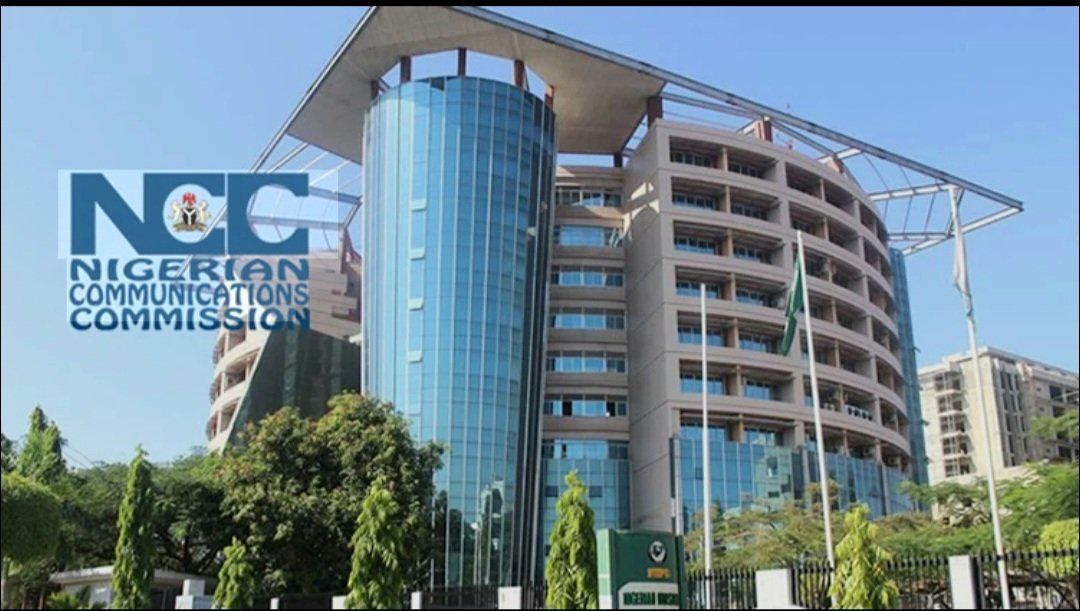
This was disclosed by the Nigerian Communications Commission (NCC) in its 2025 Annual Report and Accounts, which revealed that approximately 57.97 million calls were classified as hoax, nuisance or non-emergency calls, compared with just 8,045 verified genuine emergencies.
The figures highlight the scale of abuse of emergency communication channels and the potential risks posed to citizens who require urgent assistance.
Emergency hotlines are designed to connect citizens with essential response agencies, including the police, fire services, medical responders and other emergency management authorities.
However, the NCC warned that the overwhelming volume of irrelevant calls could undermine the effectiveness of the system by congesting communication lines, diverting response resources and delaying assistance to people facing genuine emergencies.
The commission stressed the need for stronger public awareness and measures to discourage the misuse of emergency numbers.
An effective emergency response system depends on timely access to communication channels, accurate information and the capacity of relevant agencies to identify and respond promptly to distress calls.
Beyond strengthening the technical capacity of emergency response agencies, public cooperation remains essential to ensuring that emergency numbers fulfil their primary purpose of saving lives, protecting property and responding to urgent situations.
Addressing the problem is therefore critical to improving emergency response efficiency, strengthening public safety and building a more reliable national emergency management system. (GSF)

Comments