


By our Correspondent
The Nigerian Communications Commission (NCC) and industry stakeholders have called for increased investment in digital infrastructure to bridge connectivity gaps across Nigeria.
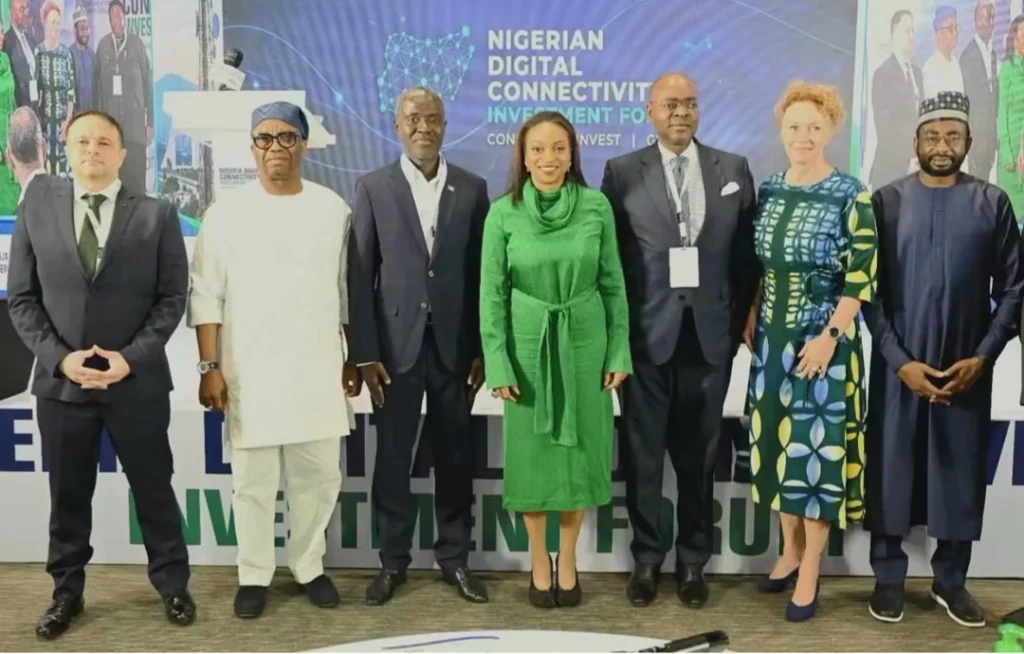
The call was made in Abuja at a two-day Nigeria Digital Connectivity Investment Forum on “Unlocking Infrastructure Investment through Data Transparency and Partnership”, organised in collaboration with the NCC, Swedfund and Ookla, on Tuesday in Abuja.
The Executive Vice-Chairman of the NCC, Dr Aminu Maida, said sustained investment was required to expand telecommunications networks and improve the quality of experience for existing users.
According to him, the forum was designed to bring policymakers, investors, development partners and industry stakeholders together to examine opportunities and challenges affecting investment in the digital sector.
Maida noted that investors required certainty and clarity, adding that the responsibility of the regulator was to facilitate discussions that would encourage investment and ultimately help close the country’s infrastructure gap.
He said the experience demonstrated the importance of creating an environment that gives investors confidence to participate in the development of critical infrastructure.
According to him, the Nigerian Communications Act 2003 recognises the importance of encouraging investment and mandates the Commission to facilitate it while protecting consumers and promoting fair competition.
He said demand on telecommunications networks had increased significantly as traders, students, businesses and other users increasingly depended on reliable connectivity.
Maida said Nigerians consumed about 1.66 million terabytes of data in July 2026, compared with 1.13 million terabytes in July 2025, representing an increase of almost 47 per cent.
According to the NCC boss, rising demand required sustained investment, not only to expand network coverage but also to improve the quality of service and experience for people already connected.
He said the 2025 tariff adjustment was intended to address financial pressures on operators and support their capacity to invest, with the expectation of improved services for consumers.
The Minister of Communications, Innovation and Digital Economy, Dr Bosun Tijani, said reliable, affordable, resilient and accessible digital infrastructure was essential to Nigeria’s economic transformation.
Tijani, represented by Mr Adetunji Adeyemo, Director, National Frequency Management Council, said the Federal Government had identified infrastructure, policy, innovation and entrepreneurship, and capital as strategic priorities for the digital economy.
He said the government was committed to accelerating broadband deployment, attracting investment and expanding meaningful connectivity, particularly in underserved communities and local government areas.
He stressed that government could not achieve the scale of infrastructure development required alone, adding that public-private partnerships, innovative financing and a predictable investment environment were necessary.
According to him, reliable and transparent data would enable investors to identify connectivity gaps, assess demand, understand market opportunities and develop commercially viable projects with developmental impact.
Tijani urged stakeholders to use the forum to identify practical investment opportunities and develop solutions to barriers constraining infrastructure development.
In her remarks, the Swedish Ambassador to Nigeria, Ms Anna Westerholm, said gaps remained in coverage, quality, affordability and supporting infrastructure despite progress in Nigeria’s digital transformation.
Westerholm said data on network performance and user experience could provide a more detailed picture of connectivity across the country, thereby strengthening planning, regulation and investment decisions.
According to the diplomat, digital connectivity required an ecosystem in which fibre infrastructure, reliable power, affordability, cybersecurity and digital skills were developed together.
The envoy said Sweden was committed to strengthening commercial and development partnerships with Nigeria, particularly in digitalisation and connectivity.
She emphasised that the success of the forum should ultimately be measured by partnerships formed, investment opportunities converted into projects, and infrastructure built to connect more Nigerians. (GSF)
Comments