
*What you need to know...
By Lawal Sale
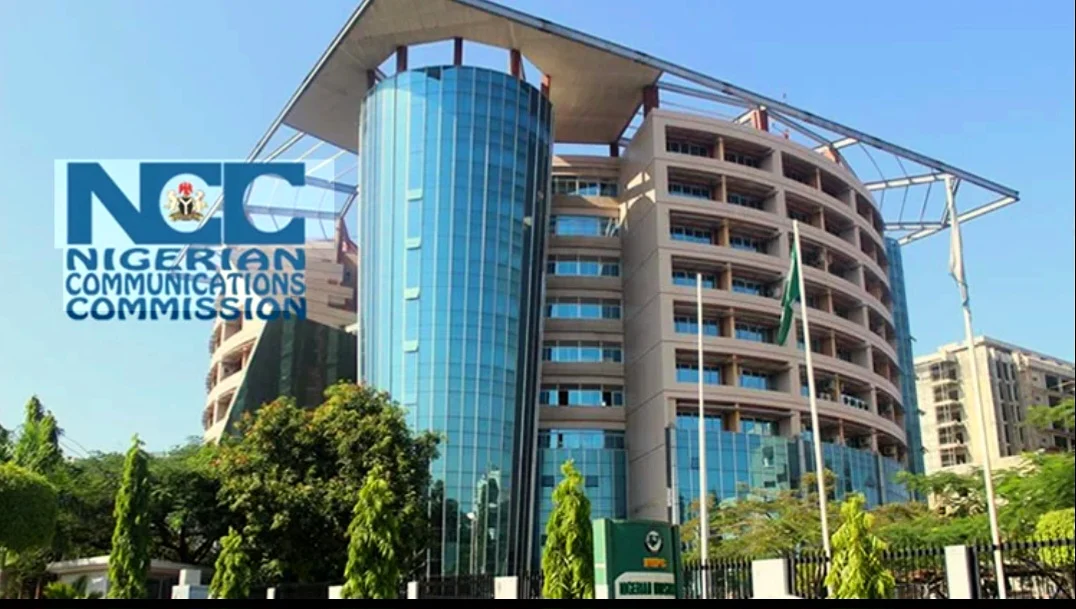
As part of the concerted efforts to weed out substandard and fake communications devices, which are not in sync with the Nigerian communications ecosystem, the Nigerian Communications Commission (NCC) has begun the implementation of enhanced Type Approval compliance for Subscriber Identity Module-enabled communications devices.
The telecommunications regulatory agency says that the initiative entails the discovery, via electronic means, of the genuineness of the SIM-enabled devices that are imported and sold in Nigeria.
THE TYPE APPROVAL INITIATIVE
According to the Commission, Type Approval is a requirement under Nigerian law which specifies that all communication devices used in Nigeria should meet certain approved technical standards before they are sold or used in the country.
The Type Approval compliance devices cover those SIM-enabled gadgets, which are specifically designed to connect to Nigerian mobile networks. These devices include smartphones, feature phones, eligible cellular IoT’s, cellular tablets, SIM-enabled PoS terminals and SIM-enabled laptops, among others.
The policy stipulates that all device models imported into Nigeria must be fit and safe for use in the country. It is also pertinent to note that under Section 132(2) of the Nigerian Communications Commission Act 2003, licensed service providers, equipment manufacturers and suppliers are to obtain Type Approval from the Commission before any communications equipment may be sold or used in Nigeria.
While addressing stakeholders and the media at a recent forum in Abuja, NCC’s Director of Technical Standards and Network Integrity, Engr. Edoyemi Ogoh, emphasized that the Type Approval regime was part of the Commission’s most important regulatory functions, as it was particularly aimed at ensuring that only standard and safe devices were sold and used in Nigeria, in compliance with the extant technical and regulatory standards.
Ogoh also underscored the need for consumers, industry stakeholders and the wider public to clearly understand the goals of the initiative and its responsibilities, as well as its unique benefits to the Nigerian telecommunications sector, which has, over the years, become one of the most critical pillars of the nation’s socio-economic development.
He expatiated that the integrity of the telecommunications industry largely depended, not only on the network infrastructure but also on the quality, safety and compliance of the devices that were used on mobile networks.
Ogoh maintained that the Type Approval was not merely a regulatory requirement, as it was also a vital mechanism put in place to protect consumers, safeguard network performance and preserve public confidence in the country’s burgeoning digital economy.
STAKEHOLDERS AS CRITICAL INDUSTRY PARTNERS
In essence, the Commission reiterated that the main objectives of the initiative included the need to enhance compliance and improve regulatory effectiveness, while ensuring that legitimate businesses were aided to operate in a fair and transparent environment.
Ogoh told the forum that as a critical segment of the industry, stakeholders were not left out in the scheme of things, following the issuance of the Type Approval in 2024, as the NCC undertook extensive stakeholder engagements, market studies and consultations across the device value chain.
He stressed that that the engagement with stakeholders also involved original equipment manufacturers, importers, dealers, service providers and government agencies.
THE INITIATIVE AND THE PROMOTION OF TRANSPARENCY
To dispel fears and suspicions that could crop up in the implementation processes of the Type Approval regime, the Commission has assured device users of its resolve to promote transparency, while ensuring unalloyed commitment to continuous public engagement throughout the course of the policy implementation processes.
It also reiterated that the compliance framework was solely designed to support device identification and Type Approval compliance.
Besides, the NCC assured the public that the initiative only enabled the disclosure of the device identification information, including IMEI numbers, for regulatory purposes only; as it neither provided the Commission with access to the contents of users’ devices nor allowed the Commission to monitor personal communications.
The Commission said users are also to note that that no existing device will be affected now. It declared that any phone already connected to a Nigerian network before the system takes effect (from 7th October, 2026) has been automatically verified, with noaction needed from the user. “Phones already in use, phones bought within Nigeria (brand new or second-hand), and phones passed on from family or friends do not require any action. The Commission said.
The Commission reiterated that the main objective of the initiative was entirely regulatory compliance relating to personal communications devices, emphasizing that it was neither a surveillance tool nor a means to have access to personal information stored in devices.
As a precaution, the Commission, therefore, advised device users to always confirm from sellers if the device they are buying is NCC Type Approved.
SOME FREQUENTLY ASKED QUESTIONS
1.What is the Device Checker?
Ans: The Device Checker is an NCC service for checking whether a SIM-enabled device model is NCC Type Approved and whether the device is verified for use on Nigerian mobile networks. Consumers can check their devices by dialing *315#, visiting www.ncc.gov.ng/devicechecker or calling the toll-free number 315.
2.How do I check a device before I buy it?
Ans: Before buying a phone, ask the seller to confirm that the device is NCC Type Approved. Use *315# and follow the Device Checker prompts, or visit www.ncc.gov.ng/DeviceChecker. For another device, you may be asked to enter its
15-digit IMEI. Check that the result says the device is Type Approved and confirms the device is verified for use on Nigerian mobile networks.
3.Can I use a device bought abroad on a Nigerian mobile network?
Ans: Yes, you can, provided its model meets applicable NCC Type Approval requirements and the particular device satisfies the relevant verification conditions. Different procedures may apply to personal imports and devices sold in bulk.
4.How do I protect myself from Device Checker scams?
Ans: Use only *315# and the official NCC Device Checker webpage.
Ans: If you start an official verification process, a code may be sent to you: enter it only in that process and never tell the code to a caller, seller or other person. NCC staff will not need you to disclose your one-time code.
5.What is an IMEI important and why might I need it to check a device?
Ans: The International Mobile Equipment Identity (IMEI) is a unique 15-digit number assigned to a mobile device that connects to a cellular network. Some devices have more than one IMEI.
6.How do I find my phone’s IMEI?
Ans: Dial *#06# on your phone, and the IMEI will display. It is also shown in the phone settings and on the original packaging.
7.I live abroad and am visiting Nigeria. Will my phone work, and how long can I use it?
Ans: if you are using international roaming with a foreign SIM, your phone is not affected. If your phone has previously been used in Nigeria with a Nigerian SIM, it is already verified and will continue to work normally.
However, if you are bringing a phone that has never been used in Nigeria and intend to use it with a Nigerian SIM, you can use it for up to 30 cumulative days within a one-year period without verifying it.
All in all, observers believe that the policy will fast-track the development of the country’s telecommunications sector, in line with global standards, while making the sector more purposeful and reliable in all spheres of national life.
— Sale is a Global South Affairs Analyst based in Abuja

Comments