
By Lawal Sale
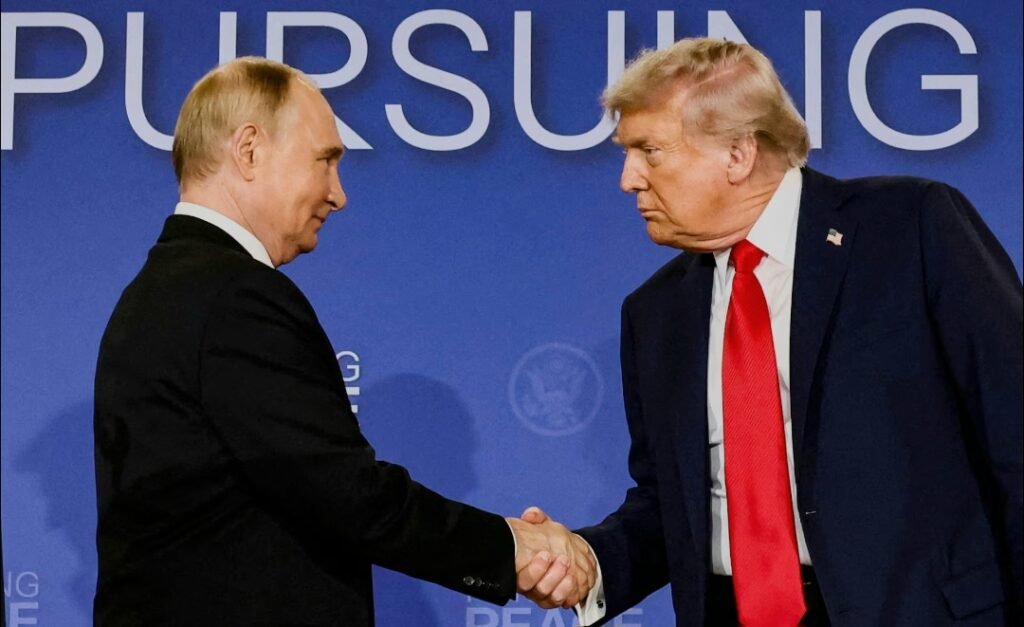
Russia’s Ministry of Foreign Affairs has announced the formal expiration of the Russia–United States Treaty on Measures for the Further Reduction and Limitation of Strategic Offensive Arms (New START), bringing to an end the last remaining bilateral nuclear arms control agreement between the two countries.
In a statement issued on Wednesday, the ministry said the treaty’s life cycle concluded on February 5, 2026. New START was signed on April 8, 2010, entered into force on February 5, 2011, and was extended for a final five-year period in February 2021 under a one-time extension clause.
The ministry recalled that Russia suspended its participation in the treaty in February 2023, citing what it described as an unsatisfactory state of implementation and actions by the United States that ran counter to the fundamental principles outlined in the agreement’s preamble. Moscow said the suspension was a compelled response to what it characterized as a sharp deterioration in the security environment and a series of steps by Washington that constituted a material breach of the treaty.
Among the factors cited, the statement pointed to U.S. actions in the area of missile defense, which Russia said undermined the inseparable relationship between strategic offensive and defensive arms enshrined in the treaty.
The ministry further noted that these actions weakened the treaty’s viability and forced Russia to take compensatory measures outside its framework to preserve strategic balance.
It said despite these challenges, Moscow acknowledged that New START had largely fulfilled its core objectives during its years of implementation, emphasising that the treaty helped restrain the strategic arms race, enabled significant reductions in nuclear arsenals, and ensured a degree of long-term predictability in strategic relations.
The statement added that although Russia suspended its participation in the treaty, it voluntarily continued to observe its central quantitative limits until the treaty’s expiration in February 2026. The United States, according to Moscow, made a similar declaration.
Russia also said it proposed in September 2025 that both sides commit to voluntary self-restraint by maintaining New START’s numerical ceilings for at least one year beyond the treaty’s expiration.
However, the Foreign Ministry said no formal response was received from Washington, and public statements by U.S. officials did not indicate readiness to support the proposal.
“As a result, the Russian Federation considers that the parties are no longer bound by any obligations or symmetrical declarations under the treaty, including its core provisions,” the statement said.
Going forward, the ministry said Russia would shape its policy on strategic offensive arms based on an analysis of U.S. military policy and the broader strategic environment. It added that Moscow remains prepared to take military-technical measures to counter potential threats to national security, while remaining open to political and diplomatic efforts to stabilize the strategic situation through equal and mutually beneficial dialogue, should conditions permit. (GSF)


Comments