


By our Correspondent
Minister of Power, Joseph Tegbe, has highlighted the country’s ongoing electricity sector reforms, describing the Electricity Act 2023 as a fundamental reset of the nation’s power market and a major step toward energy security.
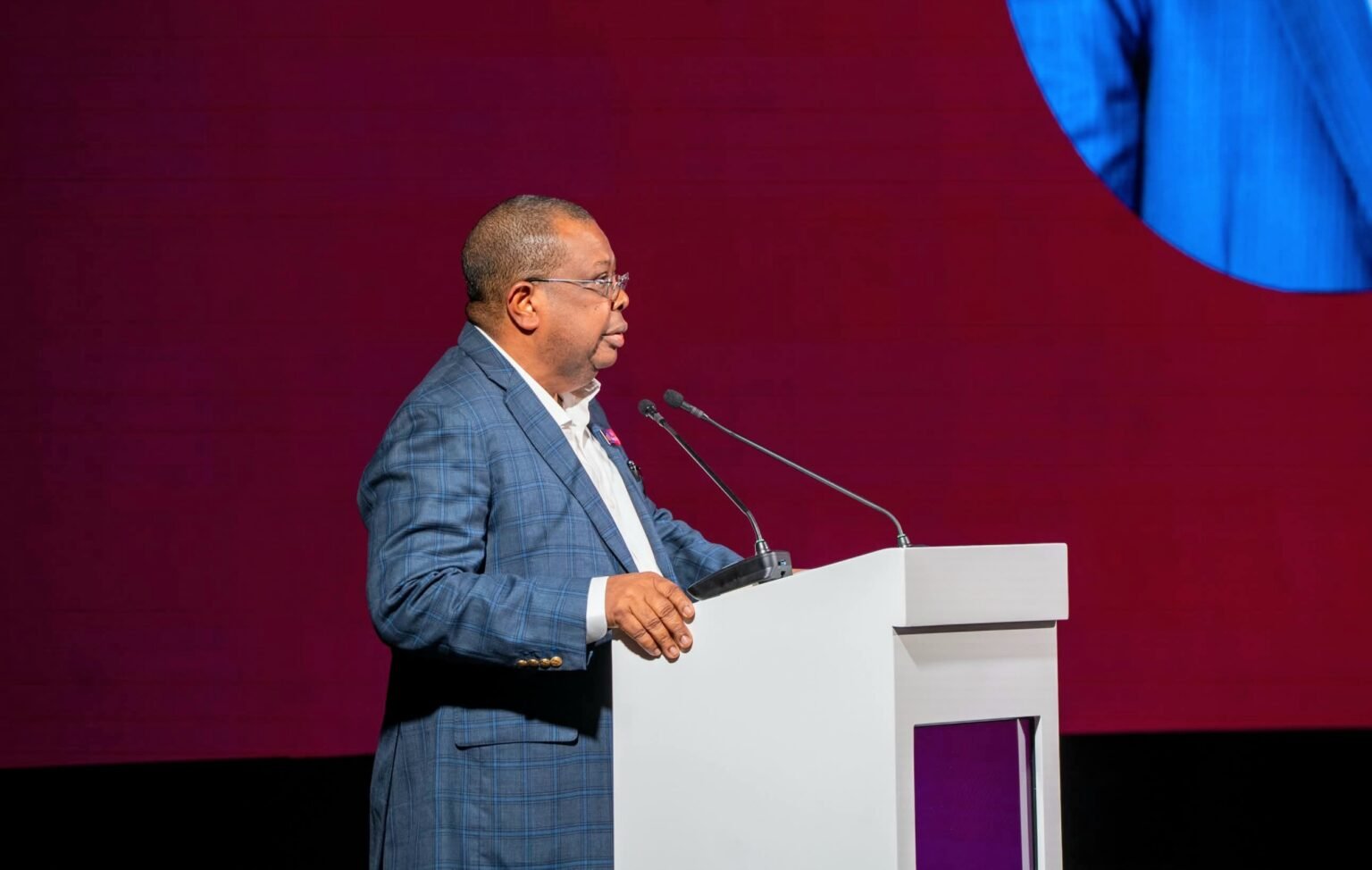
Speaking at the 50th Middle East Energy Leadership Summit in Dubai, Tegbe said the Electricity Act 2023 had ended the federal government’s monopoly over the electricity sector and opened the way for 37 emerging electricity markets across Nigeria.
He said the reform represents a fundamental shift in how electricity is generated, transmitted and sold, creating new opportunities for subnational governments and private-sector investors to participate in the development of the power sector.
According to Tegbe, energy security in the modern era extends beyond oil and gas and increasingly depends on reliable electricity grids, strong institutions, regulatory certainty and affordability.
“Energy poverty constrains productivity and national resilience,” he said, stressing that affordability must be regarded as a security issue in its own right.
Tegbe said Nigeria’s reform agenda was therefore designed to expand investment in the electricity sector while ensuring that power remains within the reach of Nigerians who need it most.

He also positioned Africa at the centre of the emerging global energy landscape, arguing that the continent should no longer be viewed merely as a source of raw energy resources.
“Africa is central to the global energy conversation, not peripheral to it,” Tegbe said.
He called for partnerships that go beyond resource extraction to promote local processing, manufacturing, skills transfer and patient capital, stressing that such an approach would enable African countries to derive greater value from their energy resources while strengthening local economies.
The minister’s remarks underscored Nigeria’s efforts to combine electricity-sector reform with broader industrialisation, investment and energy-security objectives, as African countries seek stronger partnerships in shaping the continent’s energy future. (GSF)

Comments